

Confused when there aren’t enough hours in the day to juggle your campaigns? Imagining putting that grind on a brilliant autopilot that actually learns as it works. That is the magic of AI marketing automation stepping in to save our time.
Together, we are going to dive into how this technology is rewriting the rules of marketing. I will walk you through some examples and highlight the biggest benefits for your growth strategy. Let’s explore how you can finally work smarter, not harder.
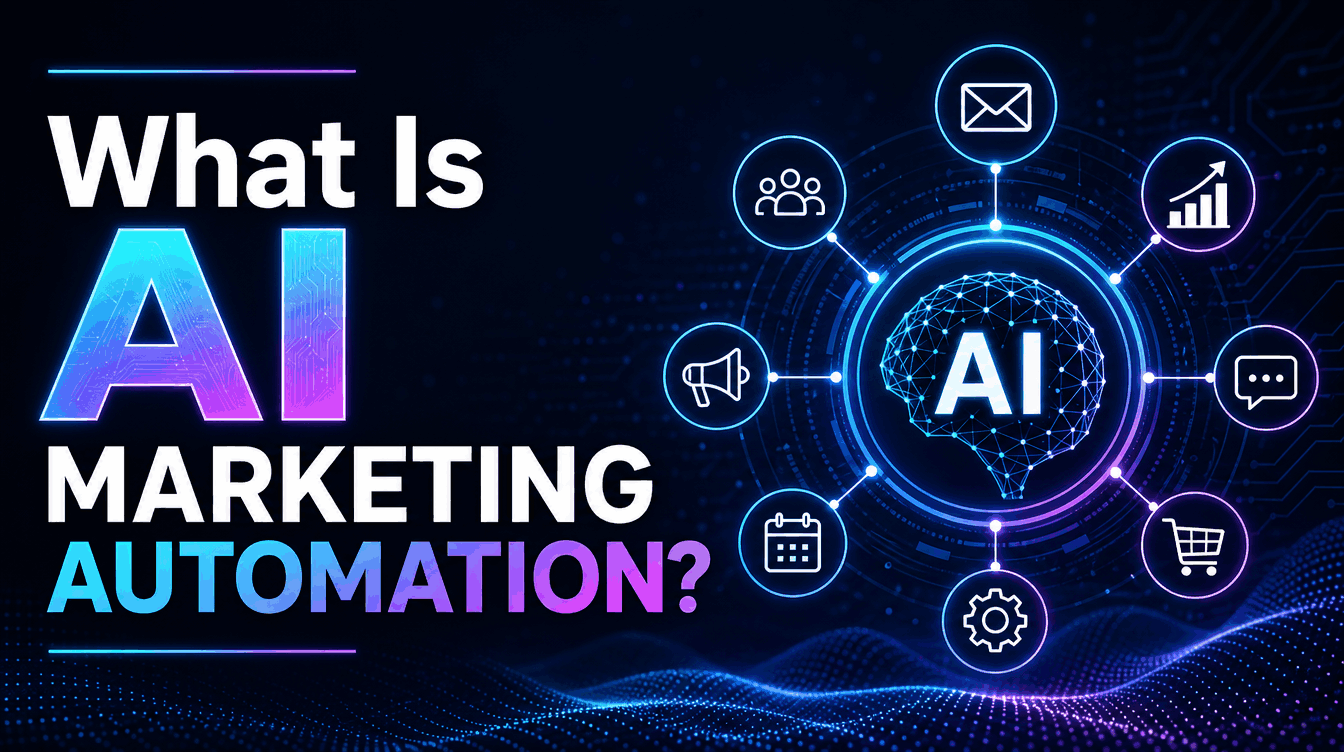
Table of Contents
What Is AI Marketing Automation?
At its core, AI marketing automation is like giving your digital campaigns a highly analytical brain. It uses machine learning to predict what your audience needs before they even click. It takes your standard workflows and instantly injects them with real-time, data-driven intelligence.
Think of it as your digital assistant who personalizes emails and optimizes ad spend while you sleep. I see it as a strategic partner that connects you to your customers on a much deeper level. You finally get to drop the busywork and focus entirely on your big picture.
How AI Marketing Automation Works
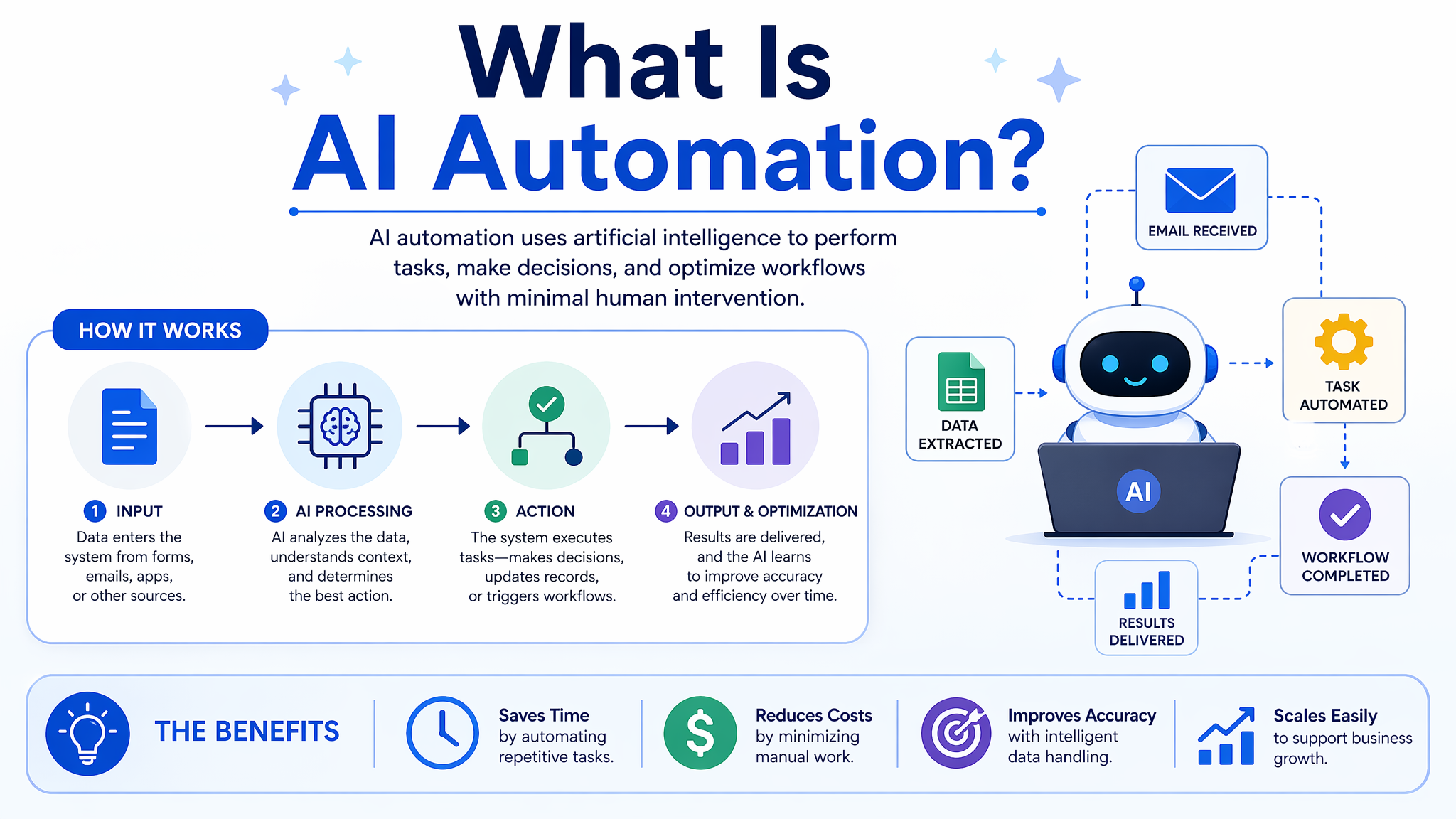
AI marketing automation operates by feeding massive amounts of data into machine learning algorithms. This engine ensures marketing efforts evolve without requiring much manual intervention.
Data Collection and Unification
The system pulls data from multiple touchpoints like social media, website visits, and past purchase history. This creates a highly accurate, comprehensive profile of every single prospect entering the sales funnel.
Intelligent Pattern Recognition
Smart AI models sift through this centralized data to spot emerging trends and build highly specific audience segments. The technology pinpoints the exact moments to engage and the specific content that drives conversions.
Personalized Execution
The platform automatically triggers perfectly timed campaigns across email, targeted ads, and dynamic web content. Every single message is adjusted to match the unique preferences of individual users.
Continuous Optimization
AI marketing automation tools constantly monitor campaign performance to tweak variables entirely on the fly. It learns from every single interaction to guarantee consistently higher returns for future initiatives.
AI Marketing Automation Examples
Next, I want to show you how top brands are using this technology to transform their customer journeys. Let’s explore several examples you can draw inspiration from today.
Predictive Email Personalization
Instead of blasting generic newsletters, you can use AI to curate unique product recommendations based on what your subscriber actually browses.
I have seen brands skyrocket their engagement because the system automatically sends emails at the exact moment each person is active.
Always-On Conversational Chatbots
You can deploy smart assistants that do so much more than answer basic questions; they actively guide your visitors through personalized experiences. We are moving past rigid scripts, allowing your bot to recommend products and close sales with a genuinely human tone.
Dynamic Ad Targeting and Creation
Imagine feeding your data into an engine that instantly tweaks ad copy and visuals to match the emotional triggers of different audience segments. I love how this removes the guesswork from A/B testing, ensuring your budget only chases the highest-converting variations in real-time.
Advantages of AI in Marketing Automation
When we integrate marketing automation AI into our daily workflows, the benefits go far beyond simply saving a little time.
Unmatched Cost Efficiency and ROI
You can finally stop pouring your hard-earned budget into generic campaigns that barely make a ripple in your market. By letting the AI allocate your ad spend toward the highest-converting channels, we ensure every dollar works harder.
Effortless Campaign Scaling
As your business grows, manually managing every interaction becomes impossible. You can rely on AI to handle millions of personalized touchpoints simultaneously without needing to frantically expand your team.
Rapid, Data-Driven Decision Making
I know how overwhelming it feels to drown in messy analytics while planning your next strategic move. AI instantly distills those complex metrics into clear, actionable insights that confidently guide our campaigns.
How to Select the Right Tool?
Here are the key features to look for when evaluating your options:
- Predictive Analytics: Look for systems that can accurately forecast customer behavior, campaign performance, and lifetime value to proactively guide your strategy.
- Detailed Personalization: The platform should be able to dynamically tailor content and messaging across email, social media, and web channels based on real-time interactions.
- User-Friendly Interface: A steep learning curve will hinder team adoption, so prioritize intuitive dashboards and low-code setups that empower non-technical marketers.
Need a Tool for AI Marketing Automation?
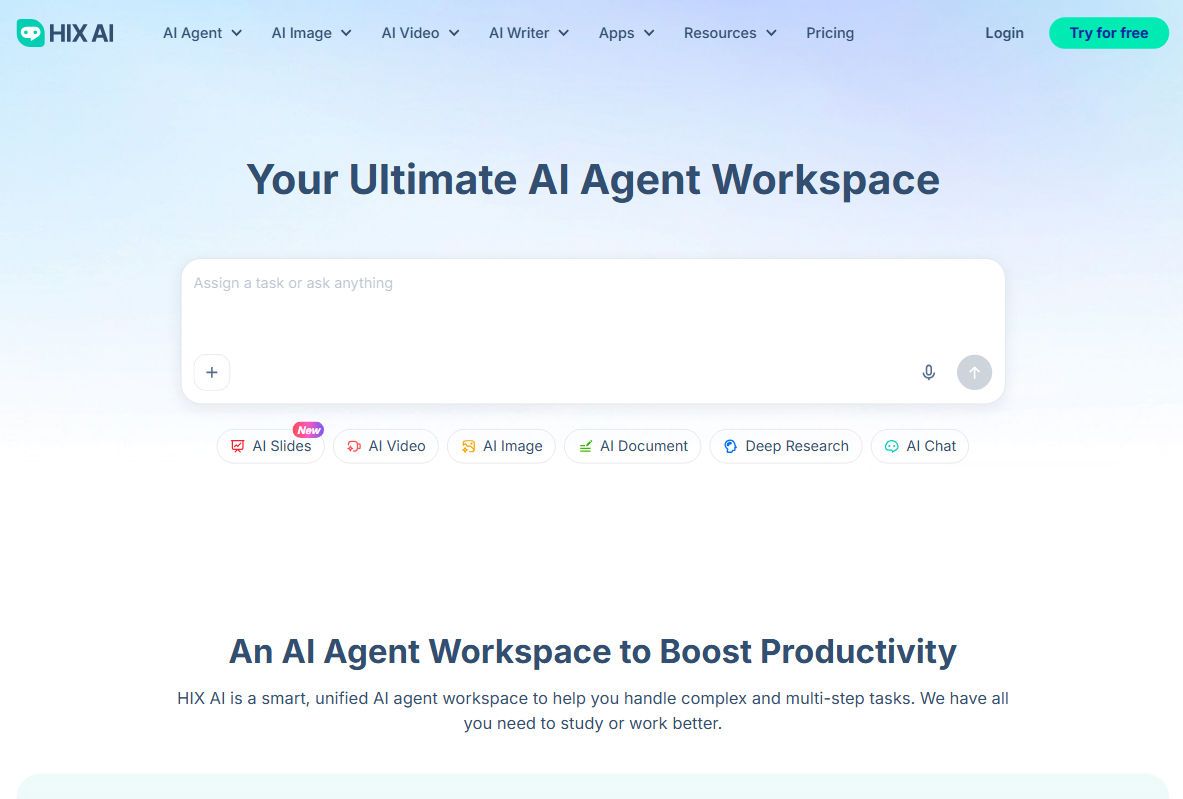
If you want the ultimate co-pilot to elevate your marketing, I suggest exploring HIX AI. This unified workspace can tackle complex campaign tasks with ease.
It stands out for its versatile suite of specialized AI agents. Whether you need deep research, dynamic video generation or persuasive writing, this platform handles it all instantly.
Imagine watching an intelligent agent automatically analyze your market and instantly generate high-converting promotional assets. It empowers you to produce professional-grade visuals and engaging content without those traditional hassle.
HIX.AI
4.9/5.0
Your ultimate AI agent workspace to boost your work and study productivity.
- Handle complex, multi-step tasks with simple prompts.
- Multiple expert-like subagents coordinated to complete your tasks.
- Powered by cutting-edge AI models.
- Research deeply and create professional reports/slide decks.
- Create on-brand, consistent marketing assets in one flow.
- Generate publish-ready visual documents and functional code.
Understand the Challenges and Limitations
While AI marketing automation offers huge benefits, integrating these advanced systems introduces several distinct hurdles that you must notice.
Data Privacy and Security
AI systems require massive amounts of consumer data to function, raising privacy concerns and compliance risks. Organizations must implement rigorous data protection protocols to maintain customer trust and avoid severe legal penalties.
Implementation Costs and Complexity
Deploying AI automation requires upfront financial investment and specialized technical talent to build and maintain the infrastructure. Many businesses often struggle with the steep learning curve and the complex integration process.
Algorithmic Bias and Lack of Empathy
AI models can inadvertently amplify biases present in their training data, potentially resulting in alienated customers. Furthermore, machines lack genuine empathy, making human oversight essential for handling highly nuanced or sensitive brand communications.
What Lies Ahead for AI Marketing Automation
As we look ahead, the synergy between AI and marketing will only grow more intuitive and seamless. We will soon see campaigns adapting to real-time emotional shifts, predicting needs before a customer even realizes them. You can expect your software to evolve from simple tools into fully autonomous strategic partners.
Even as technology advances, our human intuition will remain the heart of every successful story. I believe the future is not about machines replacing us, but rather freeing our minds to be intensely creative.
Conclusion
Stepping into the world of AI marketing automation is becoming more essential. By embracing these engines, we are actively choosing to work with greater purpose and unprecedented efficiency.
You have the incredible opportunity to completely redefine how your brand connects with the world right now. Let the algorithms handle the tedious heavy lifting while you focus on the bold, creative vision that sets you apart.